
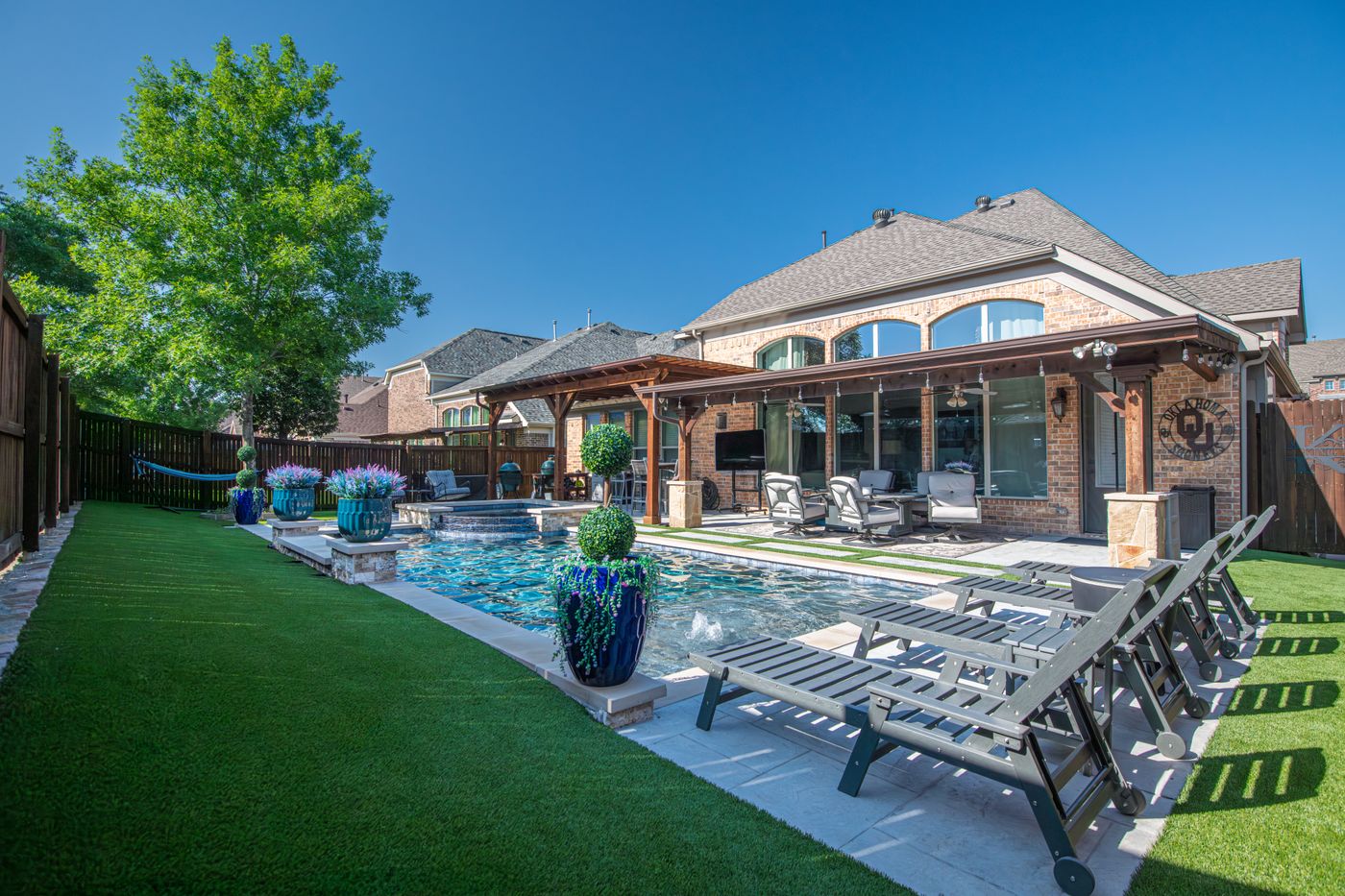
Custom Western Red Cedar privacy fences for Highland Park estates, built to the neighborhood’s exacting standards with steel posts set in concrete.
Highland Park was plotted in 1906, when John S. Armstrong bought the old Philadelphia Place acreage north of Dallas and hired landscape architects Wilbur David Cook and George Kessler — the man who later shaped the Kessler Plan for the whole city — to lay out winding streets, deep parkways, and a town that would feel like a garden from the start. A century later, the standard those streets set still governs what belongs here: real materials, real proportion, nothing temporary. That is the standard we build cedar privacy fences to in Highland Park, whether the project is screening a pool garden, enclosing a side yard along a creek-adjacent lot, or defining the boundary of a property that backs up to Turtle Creek or the estates along Preston Road near Preston Hollow.
Get a Free EstimateHighland Park incorporated as a town in 1913, precisely because its early residents wanted control over their own streets, parks, and standards — and that tradition of self-governance shows up everywhere, from the manicured parkways along Armstrong Parkway to the low walls and mature hedgerows that define the original plats. The town takes its appearance seriously, which means a fence here is not a commodity purchase. It is architecture. A cedar privacy fence that will look right next to a 1920s Spanish Colonial or a new custom estate has to be designed with the same attention as the arbors and pergolas we build down the street.
North Texas weather is hard on outdoor wood — summer heat, sudden thunderstorms, and expansive clay soil that moves everything built on it. Western Red Cedar handles all three better than any substitute: it is naturally resistant to decay and insects, it stays stable through temperature swings that twist lesser woods, and it takes stain and finish the way a premium material should. We make the full material case in our cedar versus pressure-treated pine comparison, written specifically for North Texas homeowners.
The part of a fence that fails is never the pretty part — it is the posts, absorbing moisture at the soil line and slowly leaning until the whole fence line waves. Every fence we build in Highland Park uses galvanized steel posts set in concrete, which cannot rot, and which anchor the cedar panels through the wind events that roll across Dallas every spring. We explain the full structural argument in our article on steel posts for wood fences. It costs more than basic wood posts. It is also the difference between a fence that looks new in year ten and one that looks tired in year four.
In Highland Park the privacy fence usually serves one of three jobs: enclosing a pool garden for safety and seclusion, screening a side yard or motor court from the street, or defining a rear boundary along a creek or alley easement. Each has different height, gate, and hardware needs — pool yards want self-closing gates and clean sightlines, motor courts want wide double gates that swing true after years of use. We design for the specific job, then detail the trim, cap, and stain to the house, the same matched approach we bring to covered back porches and every structure on the property.
Highland Park reviews fences and structures through its own town government and design standards, and the review process is famously particular — for good reason, considering the results a century of that care has produced along streets like the Armstrong Parkway corridor and around Lakeside Park and Exall Lake. We identify what applies to your project during the estimate phase: height limits, setback requirements, and any review needed before work begins. No surprises mid-project, and no ugly conversations with the town after the crew has left.
Start with a call or the estimate form. We walk the property, look at grade and drainage — especially important in the creek-adjacent lots — and talk through what the fence needs to accomplish: privacy, pool safety, pet containment, or all three. Then you get a fixed-price estimate with a design specific to your property. Homeowners across Highland Park, University Park, and the Park Cities get the same process, and you can see what they said about it on our reviews page.

Custom wood decks for Highland Park homes, engineered for Texas clay and detailed to the neighborhood’s estate standard — from raised entertaining terraces to pool-side platforms.
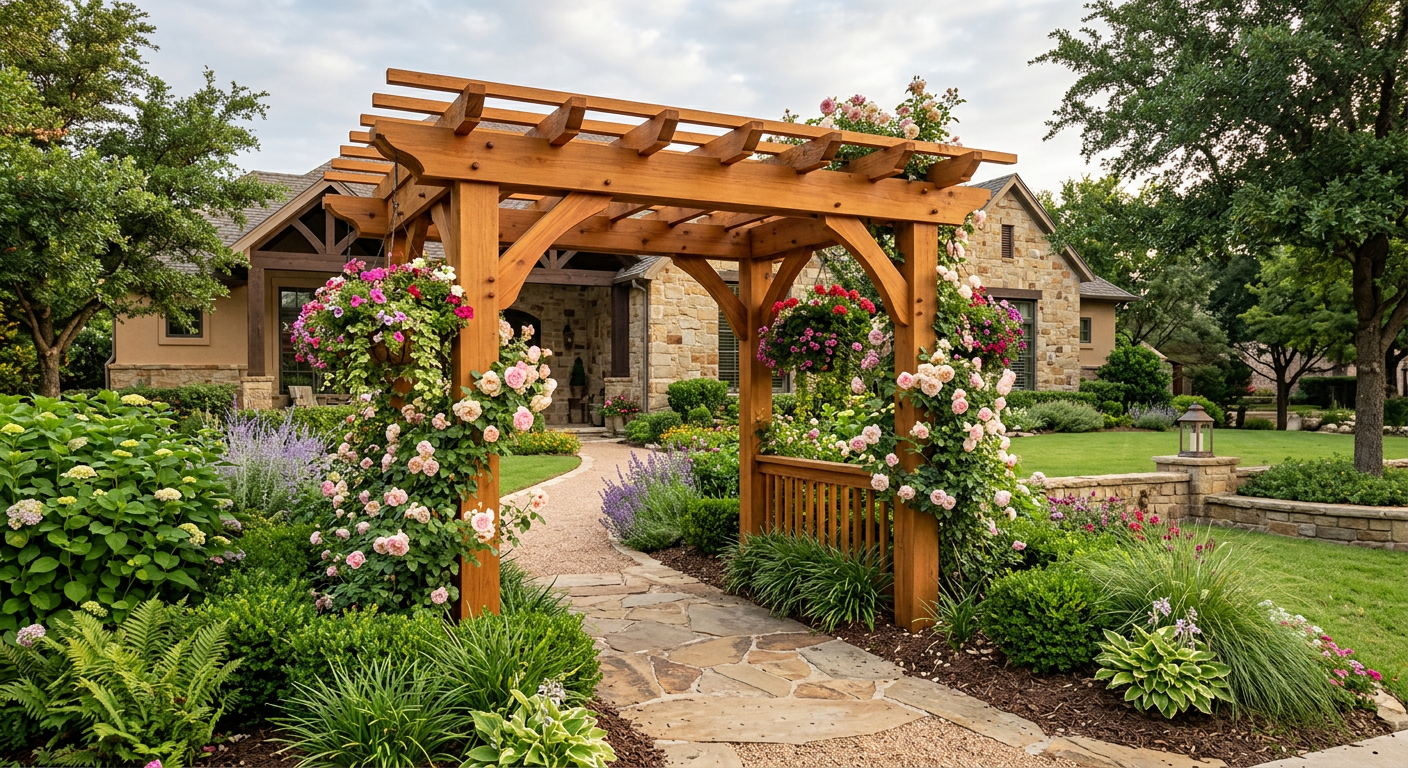
Custom Western Red Cedar pergolas and garden arbors for Highland Park homes, built with true post-and-beam joinery in the neighborhood’s century-old garden tradition.
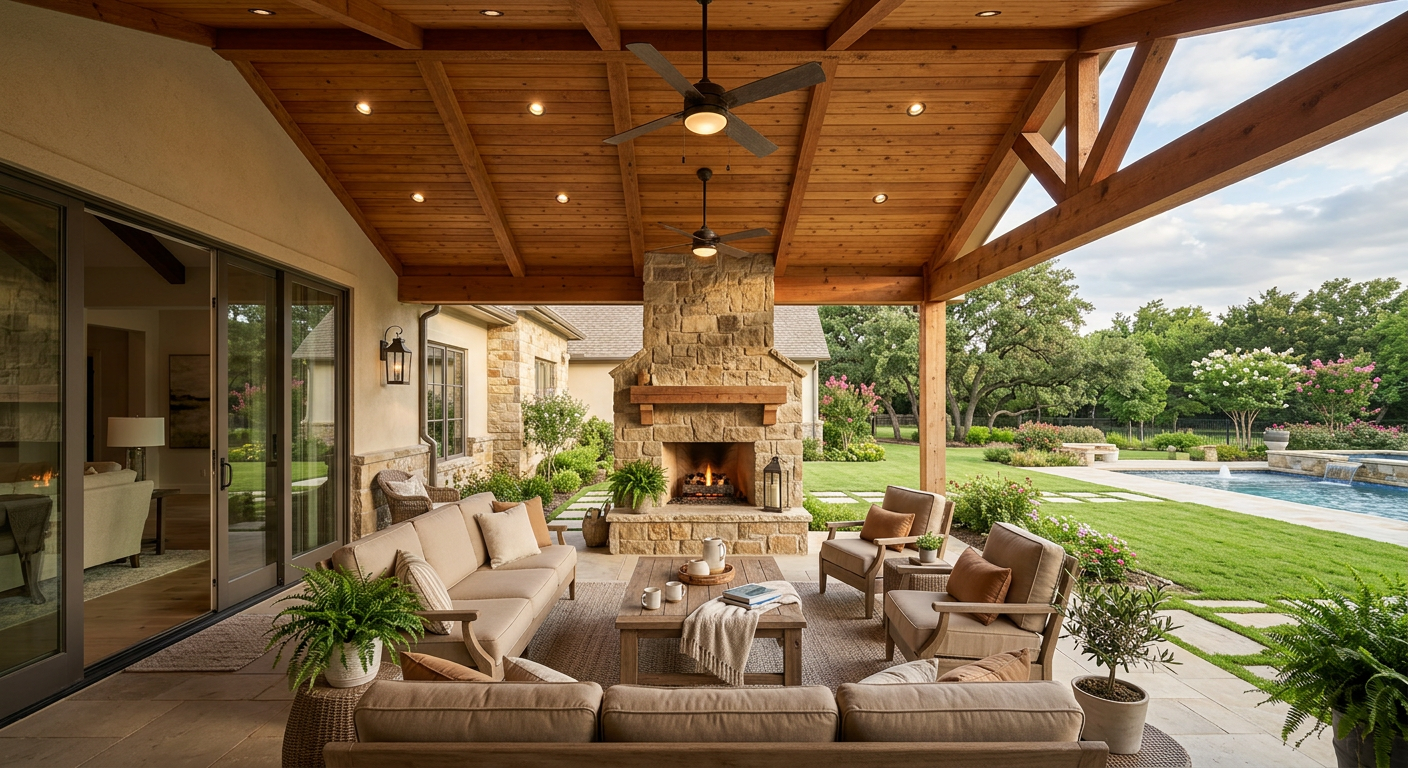
Custom covered back porch additions for Highland Park homes, with cedar ceilings, fans, lighting, and fireplace options, matched to the neighborhood’s estate architecture.
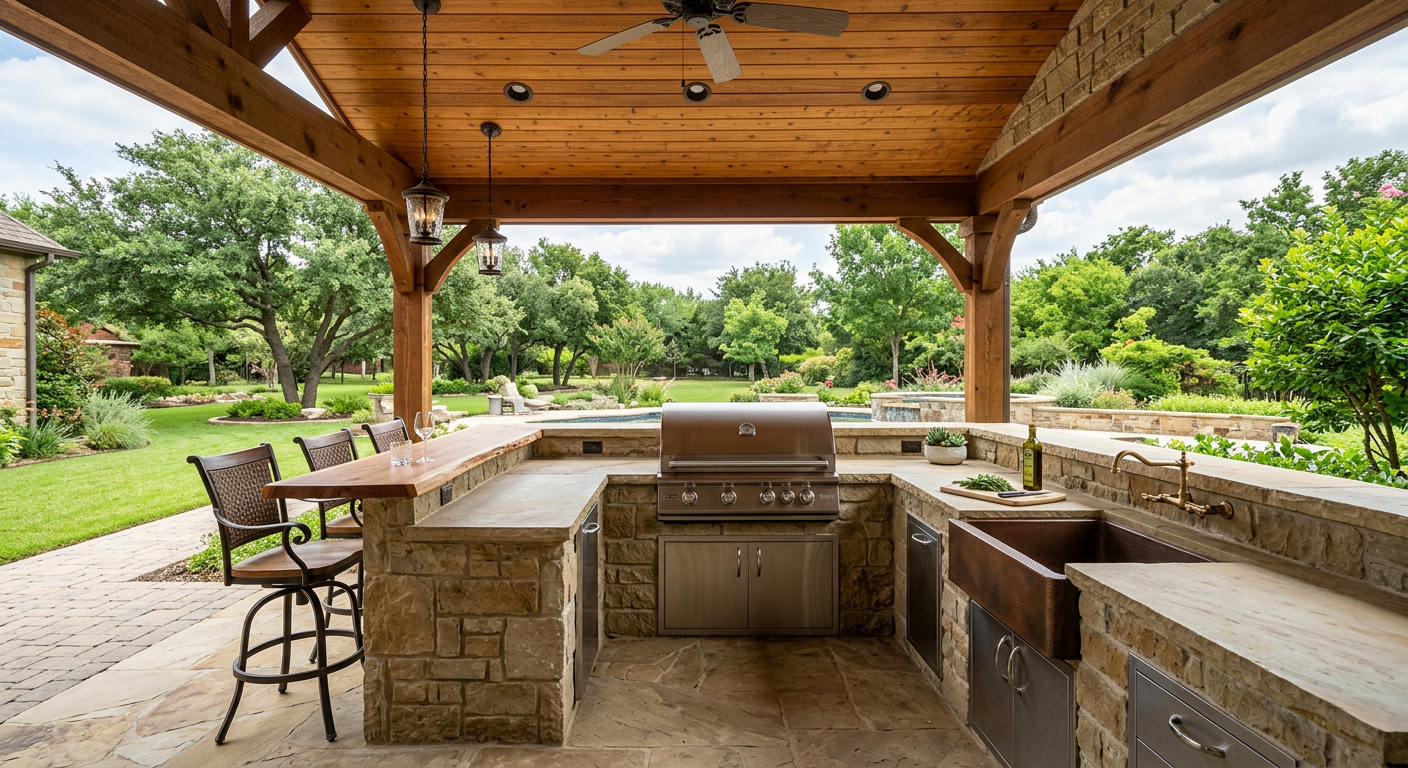
Custom outdoor kitchen additions for Highland Park estates — built-in grills, stone counters, bar seating, and full design-build service for Dallas’s premier neighborhood.
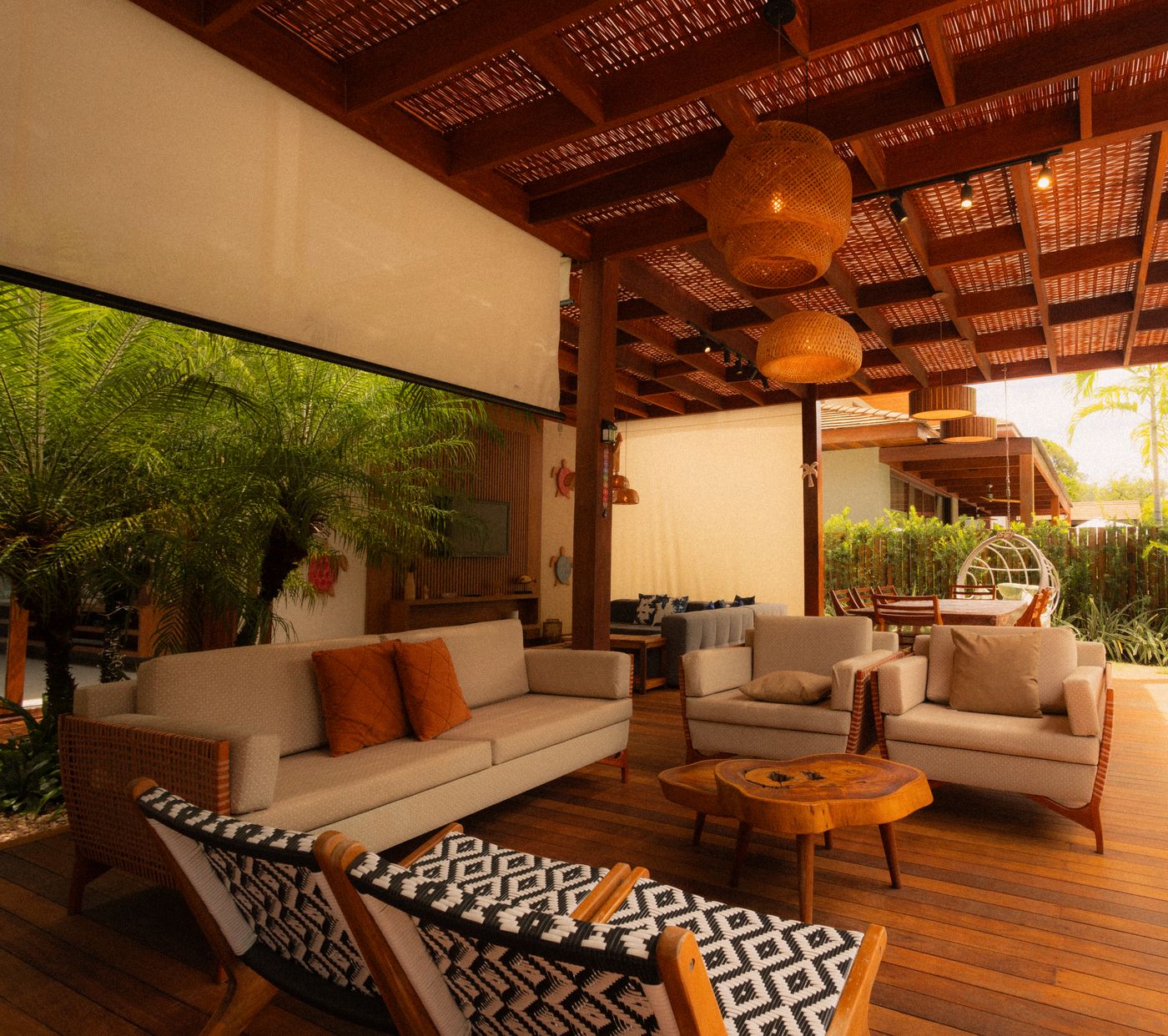
Custom solid and lattice patio covers for Highland Park homes, protecting furniture, finishes, and family from the Texas sun and Dallas storms.
Serving all of Dallas\u2019s finest neighborhoods — see our Dallas locations or the Highland Park neighborhood page.
Yes. Highland Park and the Park Cities are our primary service focus, and pool-yard privacy fences, side-yard screens, and estate boundaries are common projects here. Call 972-586-2442 or use the estimate form with your address.
Yes — the Town has its own standards for fence height, materials, and placement, and many streets have additional considerations. We identify what applies to your property during the estimate so requirements are known before work begins, not discovered mid-project.
Eight feet is the standard privacy height we build, and it is tall enough for genuine privacy around pools and patios in most situations. What is permitted on your specific lot depends on the Town’s standards and your property line — we confirm that during the estimate.
Because wood posts rot at the soil line no matter how well they are treated, and the posts are what fail first. Galvanized steel set in concrete cannot rot and keeps the fence line true through Texas wind. Our steel posts article covers the full reasoning.
A Western Red Cedar fence on steel posts, properly maintained, stays beautiful for decades — cedar is naturally decay- and insect-resistant, which is the core of the material case in our cedar versus pressure-treated comparison.
Every estimate is fixed-price and based on your specific lot, design, and materials. Rather than generic ranges, we price the actual project — use the estimate form and we will walk you through it.
Call us or send your project details and we will follow up with a free, fixed-price estimate.